Installing furniture hardware might seem straightforward. However, many people encounter issues during this process. A common question arises: what are common furniture hardware installation mistakes? Understanding these pitfalls can help prevent frustration and improve results.
Hardware installation mistakes often occur due to a lack of attention. Many skip reading the instructions. Others may disregard the need for the right tools. This oversight can lead to misaligned parts or loose fittings. Improper measurement is another frequent error. Miscalculating dimensions may cause serious problems later.
Reflecting on past experiences is crucial for improvement. Many installers ignore the importance of patience and precision. Rushing the process often results in mistakes that could have been easily avoided. By recognizing these common issues, individuals can ensure a more successful furniture assembly experience.
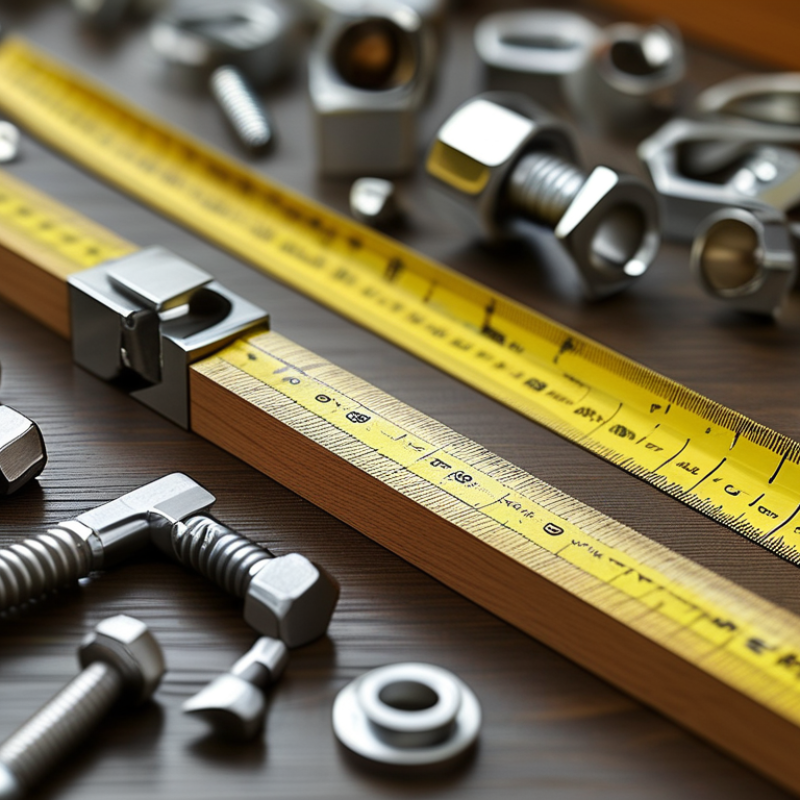
Many people struggle with furniture hardware installation due to common misunderstandings. One frequent misconception is that all hardware comes pre-packaged with clear instructions. In reality, sometimes the manuals are confusing, and parts may be missing. This can lead to frustration and mistakes.
Another issue arises from the assumption that one size fits all. Many believe that a standard drill bit or screwdriver will work for any job. However, different materials and furniture designs require specific tools. Using the wrong tools can lead to stripped screws or damaged surfaces.
Finally, many overlook the importance of pre-assembly checks. Before starting, it’s crucial to lay out all parts and ensure everything is present. Skipping this step can result in unnecessary rework later. Taking the time to understand each piece can make the process smoother. Mistakes in hardware installation often stem from these misunderstandings, highlighting the need for careful preparation and awareness.
Proper tools and equipment are essential when installing furniture hardware. Many enthusiasts underestimate this need, resulting in mistakes. Imagine reaching for a screwdriver only to find it's the wrong size. This oversight can lead to stripped screws and uneven fittings. Inadequate tools can prevent precise measurements, causing misalignment. A small error in measurement can have significant consequences.
Additionally, not all tools are created equal. Some may seem fine at first glance but lack the durability needed for heavy-duty tasks. Using low-quality equipment can lead to frustrations and rework. For instance, a weak drill might break when applied with too much pressure, damaging the piece. These issues often stem from rushing the preparation phase, a crucial step often overlooked.
Inadequate preparation leads to a cycle of errors. When the right equipment is missing, it fosters a sense of chaos. This chaos can quickly derail even the simplest projects. Take the time to gather proper tools; it's worth the effort. Skipping this step not only complicates the process but can also diminish the quality of the end result.
| Mistake Type | Description | Common Tools Lacking | Estimated Impact |
|---|---|---|---|
| Incorrect Screwing | Using incorrect screw length can damage materials. | Screwdriver, Screw gauge | High, leads to structural issues |
| Misalignment | Parts not properly aligned leading to aesthetic issues. | Measuring tape, Level | Medium, affects final appearance |
| Over-tightening | Excessive force can strip threads or crack materials. | Torque wrench | High, can lead to breakage |
| Improper Fastener Use | Using the wrong type of fasteners can weaken joints. | Fastener kit | High, especially in load-bearing applications |
| Missing Parts | Not checking the package for all necessary components. | Inventory checklist | Medium, may delay installation |
Inadequate instructions often lead to common mistakes during furniture hardware installation. Many users face challenges due to vague guidelines. Clear and concise instructions are crucial for success. Unfortunately, some manuals lack detailed illustrations or step-by-step guidance. This often results in confusion and frustration.
When assembling furniture, users may misinterpret ambiguous terms. For instance, phrases like "attach firmly" can have different meanings. This ambiguity may lead to overly tight connections or loose fittings. Such mistakes can compromise the stability of the furniture.
Furthermore, some instructions assume a certain level of prior knowledge. Newcomers may not know basic tools or techniques. This gap in expectation can lead to mistakes that affect the overall appearance and usability. A more user-friendly approach is needed to ensure everyone can achieve a successful installation. The quality of instructions directly impacts the installation experience and final product satisfaction.
Overconfidence can lead to significant hardware installation mistakes. Many individuals underestimate the complexity of assembling furniture. They often believe, "I can handle this without instructions." This mindset can create a false sense of security. As a result, common errors arise, such as misaligning pieces or using the wrong hardware. These mistakes not only prolong the assembly process but may also cause damage to the furniture.
A lack of experience plays a crucial role in these scenarios. Novices may skip essential steps, thinking they have a grasp on the task. This overconfidence often translates to ignoring the provided guidelines. In many cases, people finish a project only to discover wobbly legs or mismatched holes. Such outcomes highlight the need for humility and caution in DIY tasks. Recognizing one's limitations can lead to more successful installations and better results overall.
Moreover, the quality of the final product can suffer due to rushed or careless work. A confident individual may dismiss the value of detailed inspections after completing the assembly. This oversight can lead to long-term issues, from structural weaknesses to aesthetic flaws. By embracing a more measured approach, anyone can improve their installation technique and achieve a more polished finish.
Ignoring manufacturer specifications during furniture assembly is a common mistake that can lead to frustrating outcomes. Many enthusiasts dive into assembly without thoroughly reading the instructions. This oversight can result in misaligned components or an unstable final product. For instance, using the wrong screws can compromise the integrity of a piece. A simple mistake may cause it to wobble or eventually break.
Many people believe that their instincts can lead them to assemble furniture correctly. This confidence often backfires. They might overlook essential details such as weight distribution or proper connector placement. Substituting hardware can seem like a quick fix, but it rarely works out in the long run. The assembly process requires attention to detail. Following specific guidelines is crucial for a secure fit.
Reflecting on past experiences can be a learning opportunity. Consider those times when shortcuts were taken, leading to more work later. Properly following the manufacturer’s specifications ensures the furniture serves its purpose effectively. Each piece tells a story, and its assembly should reflect care and precision. Take a moment to consult the instructions; it can save time and frustration.
: Many face challenges due to misunderstandings about instructions and tools. Manuals can be vague or confusing.
Not always. Some manuals lack detailed illustrations, leading to confusion during assembly.
No. Different materials and designs require specific tools. Using the wrong ones can cause damage.
Misinterpreting instructions, using incorrect tools, and skipping pre-assembly checks are common errors.
Very important. Layout all parts beforehand to avoid missed pieces and unnecessary rework later.
Yes. Misunderstanding terms like “attach firmly” can lead to insecure fittings and compromise stability.
Yes. They often lack basic tool knowledge, leading to mistakes that affect the final result.
User-friendly instructions and clearer guidelines would help everyone achieve successful assembly.
Yes, skipping steps can lead to larger problems later. Reflection on the process is essential.
Absolutely. Familiarity with all components makes the installation process smoother and reduces errors.
The article "Why Do Common Furniture Hardware Installation Mistakes Happen?" explores several factors contributing to frequent errors during furniture assembly. Key misunderstandings about the installation processes often arise from a lack of proper tools and equipment, which can lead to subpar results. Moreover, inadequate instructions can significantly impact the quality of installation, leaving individuals confused and more prone to mistakes.
Another factor is overconfidence, as many assume they can complete the assembly without fully understanding the requirements. This can lead to the oversight of critical manufacturer specifications during furniture assembly. Overall, identifying what are common furniture hardware installation mistakes can help individuals avoid pitfalls and achieve a more successful and efficient assembly process.

Refa Tools