Furniture hardware plays a critical role in the stability and longevity of furniture. According to a report by the American Furniture Manufacturers Association, 30% of furniture complaints relate to loose hardware. This issue is both common and preventable. Knowing how to prevent furniture hardware from loosening can significantly enhance the durability of your pieces.
Multiple factors contribute to the loosening of hardware. Humidity changes, temperature fluctuations, and daily usage all impact furniture integrity. In a survey conducted by The Furniture Society, over 25% of respondents noted that improper assembly was a key factor. The right tools and techniques are essential for proper installation. Yet, many overlook these details.
Regular maintenance is crucial. Checking screws and bolts periodically can help retain furniture quality over time. Some may forget to do this, leading to frustrating consequences. Understanding methods to keep furniture hardware tight can prevent unnecessary repairs. Ultimately, investing time in preventative measures can enhance the lifespan of your furniture.
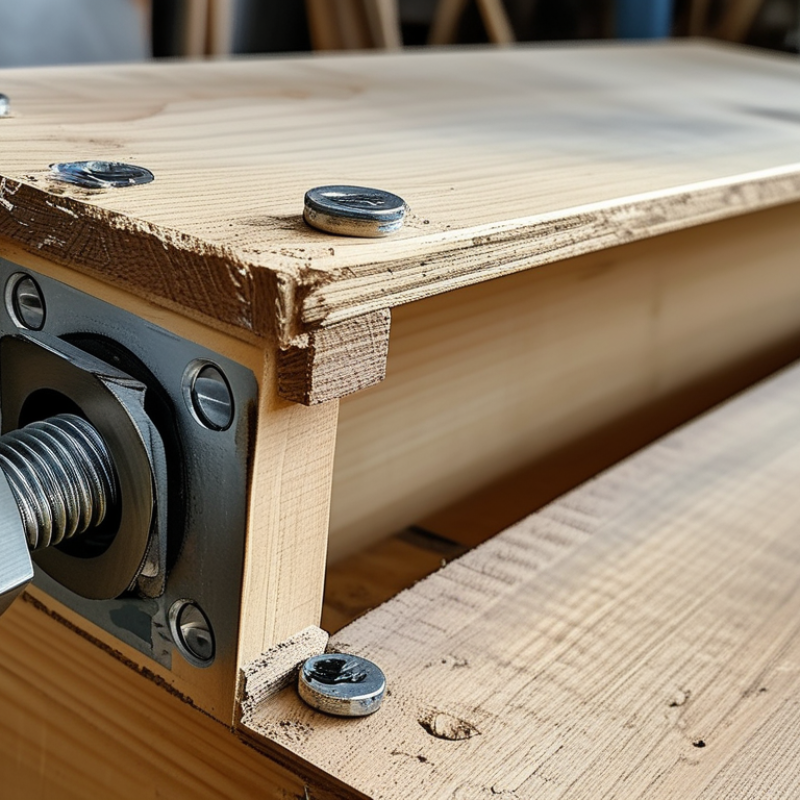
Understanding the Causes of Loose Furniture Hardware
Loose furniture hardware can be a common issue for many homeowners. Various factors contribute to this problem. Over time, vibrations from daily use can cause screws and bolts to loosen. Humidity and temperature changes can also affect the materials in furniture, leading to expansion and contraction. These elements can create a perfect storm for hardware to become unstable.
Regular maintenance is essential to combat this issue. Periodically checking and tightening screws can prevent them from becoming loose. Using thread-locking adhesive can add an extra layer of security to screws. Additionally, ensuring that the furniture is placed on a level surface reduces strain on hardware. Simple steps like these help maintain the integrity of your furniture.
It's important to reflect on your habits when it comes to furniture care. Are you frequently rearranging pieces? This can stress joints and connections. Even minor adjustments can have a lasting impact over time. Taking a proactive approach will save you the hassle of more significant repairs later on.
Common Types of Furniture Hardware Prone to Loosening
Furniture hardware plays a crucial role in maintaining the stability and durability of your furniture. Common types that are prone to loosening include screws, bolts, and hinges. According to a report from the American Furniture Manufacturers Association, approximately 25% of furniture returns are due to hardware issues. This statistic highlights the importance of addressing hardware maintenance.
Screws, for instance, can loosen due to repeated use or changes in temperature and humidity. When wooden furniture expands and contracts, screws may no longer fit securely. Hinges can also wear out, leading to misalignment. It's vital to inspect these components regularly. Tightening screws and bolts periodically can help maintain structural integrity.
Preventive measures are essential. Using thread-locking adhesives on screws can increase grip and reduce loosening. Investing in quality hardware can significantly enhance durability. However, even high-quality components may require occasional checks and maintenance. Monitoring furniture regularly ensures that any issues are caught early, avoiding larger problems down the line.
Signs Indicating Loose Hardware in Furniture
Loose hardware in furniture can lead to various issues. Signs of loose hardware often include creaking sounds when using the furniture. If you notice a wobble in your chairs or tables, it might indicate loose screws. Pay attention to any uneven leg lengths that cause instability. You might spot gaps between joints or see visible movement in components. These signs suggest that it’s time to take action.
Regular inspection is crucial for maintaining furniture. Check bolts, screws, and brackets periodically. Look for spots where the wood or metal is at risk of separation. Kitchen cabinets or office desks may require more frequent checks due to daily use. If you find any loose hardware, tighten it promptly. But do not over-tighten, as this could damage the material.
It’s wise to consider the environment where your furniture sits. High humidity can cause wood to swell and hardware to loosen. Likewise, temperature changes can create stress in materials. Reflect on your surroundings and adjust accordingly. A little proactive maintenance can go a long way in extending the life of your furniture.
Effective Strategies to Prevent Hardware Loosening
Furniture hardware can loosen over time due to regular use, environmental changes, and poor installation. Understanding these factors helps in creating effective strategies to prevent issues. One simple method is to check tightness during furniture maintenance. This routine can help identify loose screws or bolts before they cause bigger problems.
Using thread-locking compounds can be beneficial. These materials help secure screws in place, reducing the risk of them loosening. Additionally, consider replacing worn-out hardware. Old screws can strip easily, leading to further loosening. Investing in high-quality hardware can also pay off in the long run.
Another important aspect is addressing environmental factors. Humidity and temperature fluctuations can cause wood to expand or contract, affecting hardware stability. Using a humidifier in dry seasons can maintain balance. Lastly, document your inspections and repairs. Learning from each experience can lead to more effective strategies over time.
Maintenance Tips for Long-Lasting Furniture Hardware
Regular maintenance is crucial for furniture hardware longevity. Reports indicate that nearly 30% of furniture problems stem from loose hardware. Over time, nuts, bolts, and screws can weaken due to vibrations and changes in humidity. Tightening them periodically can prevent further issues.
Using the right tools makes a difference. A torque wrench can help ensure that screws are neither too tight nor too loose. Aim for a snug fit, but avoid overtightening, which can lead to material strain. For wooden furniture, applying wax periodically can maintain joint integrity, reducing the chances of looseness.
Cleaning is also important. Dust accumulates and can contribute to hardware loosening. Wipe down furniture surfaces using a soft cloth regularly. Take a moment to inspect hardware connections during cleaning. Small signs can indicate larger future problems. Address these immediately to extend furniture life.
FAQS
: Vibrations from use, temperature changes, and humidity can cause screws and bolts to loosen over time.
Regularly check and tighten screws. Using thread-locking adhesive can also provide extra security against loosening.
Regular maintenance helps catch issues early and maintain the integrity of your furniture, preventing costly repairs later.
Common types include screws, bolts, and hinges, which often need regular inspections and maintenance.
Yes, humidity and temperature changes can cause wood to expand and contract, impacting hardware stability.
It’s wise to check hardware periodically, especially after rearranging furniture or if you notice any issues.
Yes, replacing worn-out hardware is vital. Old screws can strip easily and may lead to further loosening.
Tighten it immediately. If the issue persists, consider using a thread-locking compound for a more secure fit.
Using thread-locking adhesive specifically designed for screws is recommended for better stability and grip.
Place it on a level surface and check hardware regularly. Documenting repairs can help you track maintenance effectively.
Conclusion
Loose furniture hardware can be a frustrating issue, but understanding its causes is the first step in addressing it. Commonly, factors such as temperature changes, wear and tear, and inadequate installation contribute to the loosening of hardware. Signs indicating loose hardware can include wobbling furniture, squeaking noises, and visual gaps, all warning that attention is needed.
To effectively prevent hardware from loosening, one should implement strategies such as regularly checking and tightening screws, using locks or adhesives when appropriate, and ensuring that furniture is placed on stable surfaces. Additionally, routine maintenance plays a vital role; cleaning and inspecting hardware can significantly extend its lifespan. By knowing how to prevent furniture hardware from loosening, you can maintain the integrity and longevity of your furniture, keeping it safe and functional for years to come.

 Refa Tools