In contemporary civil engineering, automated warehousing, and upscale interior architecture, the bracket system functions as the critical link defining system durability. From holding massive HVAC frameworks to securing multi-tiered heavy-duty shelving, the reliance on high-tolerance structural brackets has increased exponentially. Manufacturers are transitioning from generic hot-rolled carbon steel to highly engineered, FEM-analyzed (Finite Element Method) structures.
Currently, the global industrial bracket market is shaped by several key technological trends:
Utilization of high-tensile carbon steel, anodized aluminum alloy (such as AL6061-T6), and marine-grade stainless steel (SUS316) to ensure long-term structural integrity.
Transition toward modular 3-in-1 connection systems, and push-to-open latch integrations that reduce installation times by up to 40% on-site.
Application of chromium-free zinc platings, electrostatic powder coatings, and electrophoretic depositions to achieve over 500 hours in salt spray testing.
For enterprise procurement officers, purchasing bracket systems is no longer a simple bulk commodity transaction. It requires evaluating structural compliance, load-deformation curves under dynamic stress, and precision alignment metrics. Chinese Tier-1 suppliers have responded by shifting from manual metal bending workshops to integrated digital smart manufacturing units, guaranteeing strict quality controls at optimized price structures.
Industrial buyers face challenges like rising ocean freight costs, shifting import tariffs, and raw material volatility. To maintain supply chain security, cross-border procurement managers demand suppliers who can guarantee:
By addressing these requirements, leading Chinese bracket system manufacturers have built robust quality assurance models. They run dedicated in-house labs equipped with spectrometer material scanners, coordinate measuring machines (CMM), and automatic fatigue testers, ensuring every shipment complies with ANSI, DIN, and BIFMA standards.
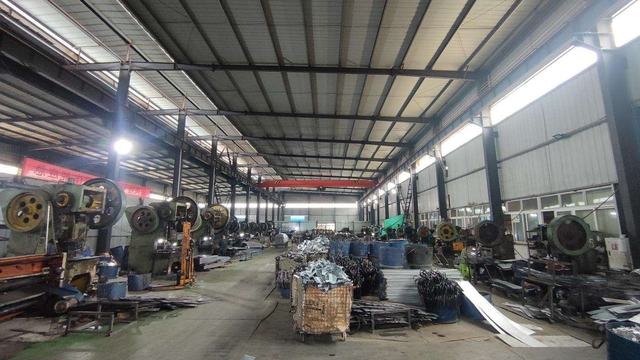
China's hardware manufacturing hubs have integrated smart robotics and CNC tooling centers to transition from low-cost casting to high-end Industry 4.0 systems. This evolution delivers three core benefits for global buyers:
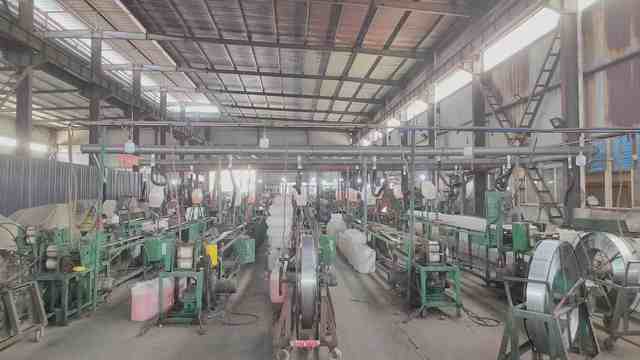
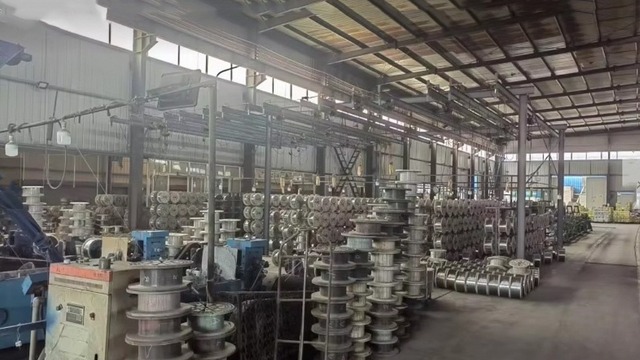
1. Complete Industrial Clustering: Take Foshan, China's hardware capital, as an example. Within a 50km radius, factories have direct access to raw metal smelting, high-precision extrusion plants, specialized die-casting mold makers, surface treatment centers, and logistics terminals. This concentration reduces lead times from months to weeks.
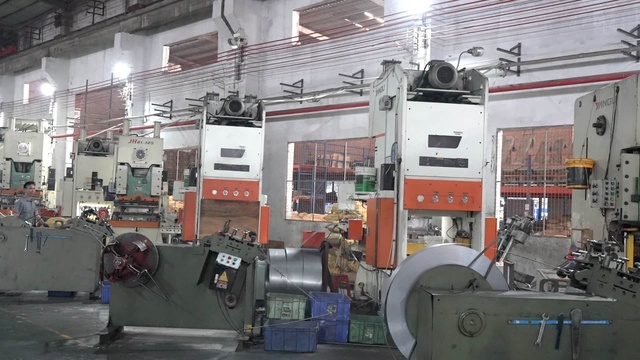
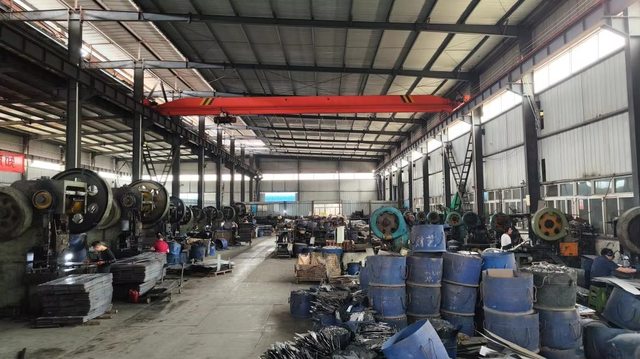
2. Automated Progressive Die Stamping: By using multi-station progressive stamping dies, manufacturers can output tens of thousands of complex mounting brackets per shift with zero variation in precision. This reduces material scrap and delivers significant cost savings to high-volume buyers.
3. Agile Production Customization: While European and North American factories struggle with slow tooling setups, Chinese manufacturers leverage CNC rapid prototyping and flexible automated tooling to switch lines rapidly, making both small-batch custom bracket orders and large-scale bulk manufacturing highly cost-effective.
Foshan Refa Tools Co., Ltd. is a professional Furniture Hardware Accessories manufacturer and cabinet & wardrobe hardware fittings supplier based in Foshan, China. The company specializes in the design, production, and export of high-quality furniture hardware solutions for global furniture brands, wholesalers, and OEM/ODM clients.
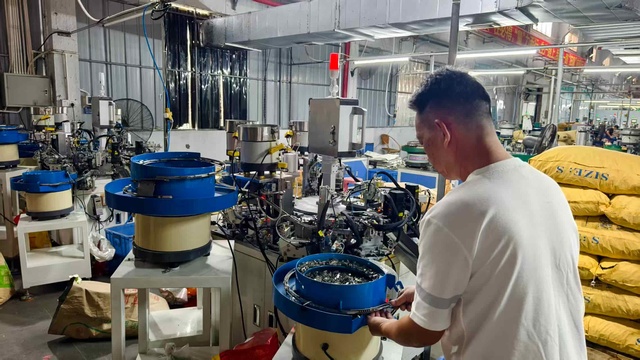
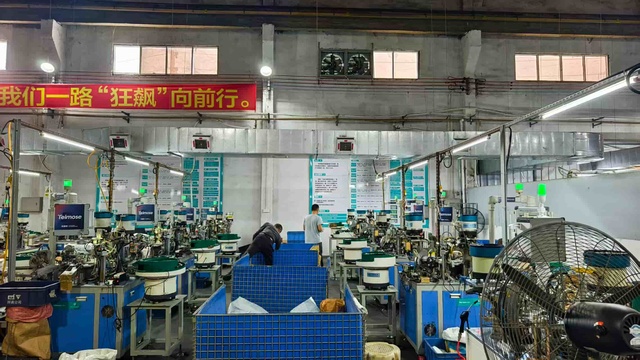
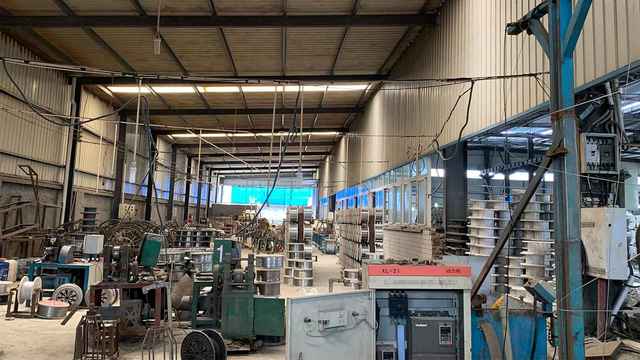
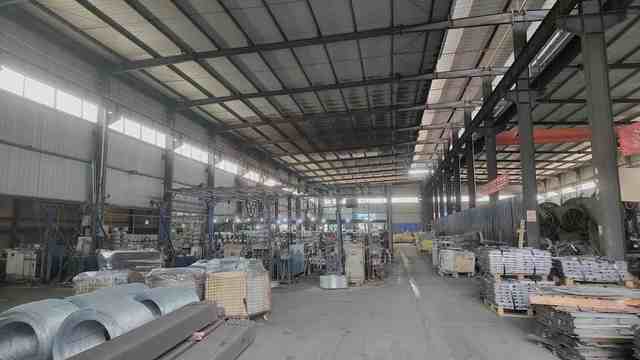
With strong manufacturing capabilities and advanced production equipment, Refa Tools focuses on delivering durable, precision-engineered hardware accessories used in cabinets, wardrobes, drawers, doors, beds, and office furniture systems. The company integrates product development, tooling design, stamping, die-casting, surface treatment, assembly, and quality inspection into a complete production workflow.
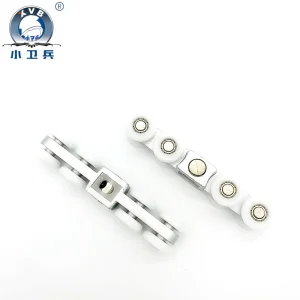
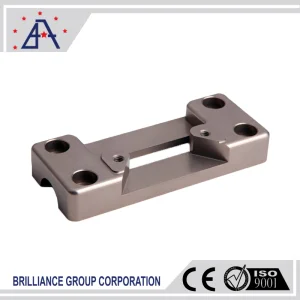
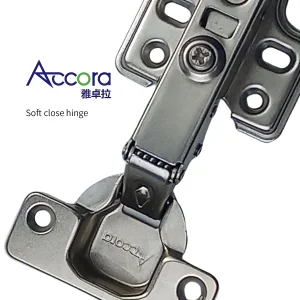
Foshan Refa Tools Co., Ltd. offers a wide range of furniture hardware components, including structural connectors, fastening systems, sliding mechanisms, hinges, brackets, and decorative fittings. Each product is designed to ensure stability, smooth functionality, long service life, and easy installation.
The company strictly follows international quality standards and implements rigorous inspection procedures at every stage of production, from raw material selection to final packaging. This ensures consistent performance and reliability across all product categories.
Refa Tools also provides customized OEM and ODM services, supporting clients with tailored hardware solutions for different furniture designs and market requirements. With flexible production capacity and efficient supply chain management, the company can handle both small-batch customization and large-scale export orders.
By combining innovation, precision engineering, and strong manufacturing expertise, Foshan Refa Tools Co., Ltd. has become a trusted global supplier in the furniture hardware accessories industry, delivering reliable, functional, and high-performance hardware solutions to customers worldwide.
Different structural environments require specific designs. To help procurement teams match the right hardware to the right scenario, we analyze four major application frameworks:
Modern offices focus on ergonomics, using motor-driven height-adjustable sit-to-stand desks. These systems require telescopic under-desk support brackets that can handle dynamic weight shifts and balance the electric motor's torque. Similarly, workshops rely on gas-spring and heavy-duty steel mounting assemblies to ensure screens, controls, and work surfaces stay stable under continuous vibrations.
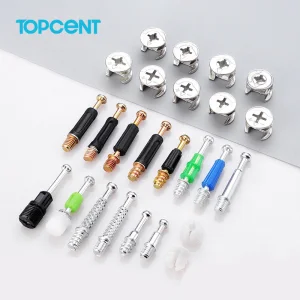
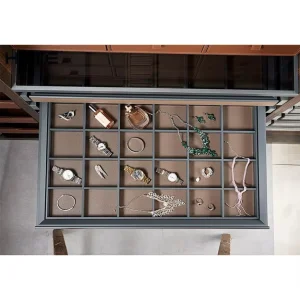
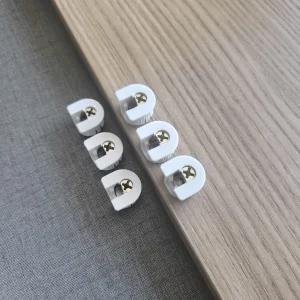
High-end residential furniture emphasizes minimal gaps and seamless aesthetics. Hidden connector systems, like Rafix or eccentric Minifix connectors, secure horizontal shelves without showing external screw heads. Drawer and pull-out organizers rely on heavy-duty aluminum runners and brackets, ensuring quiet movement even when carrying weight up to 45kg.
Outdoor building environments demand corrosion-resistant brackets. Wall-mounted air conditioner brackets, stamped from thick carbon steel, undergo hot-dip galvanization and outdoor powder coating to resist rain, high winds, and sun exposure without rusting or causing structural damage.
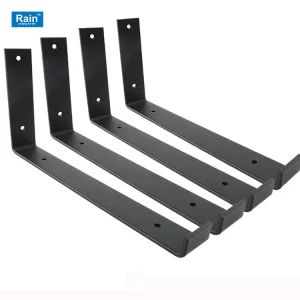
Retail configurations change constantly. Slotted wall-upright standards and shelf brackets allow for quick height adjustments. These brackets must feature precise slot alignment and mechanical load hooks, ensuring they won't slip or bend under uneven product weight distribution.
 Refa Tools