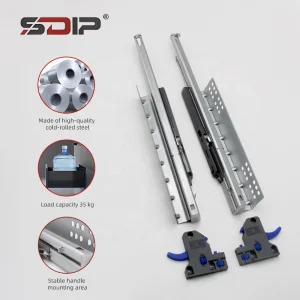
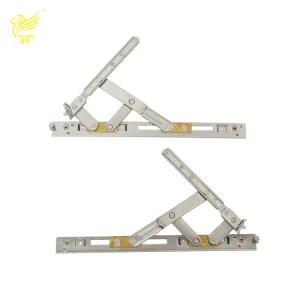
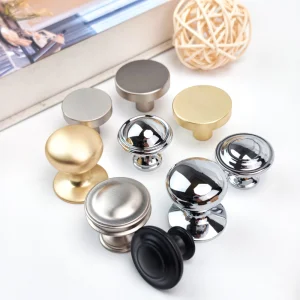
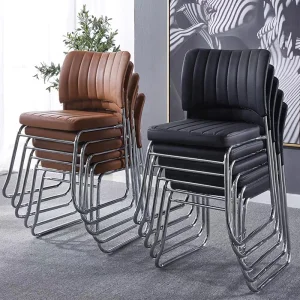
Premium structural assemblies, mounting brackets, and slide components engineered for high load capacities and long cycle performance.
How mechanical precision and high-grade metallurgy converge to secure residential, commercial, and industrial cabinet environments.
Modern commercial locking systems depend heavily on materials such as zinc alloys (Zamak 3 and Zamak 5), marine-grade 316 stainless steel, and structural carbon steel. Choosing the correct alloy ensures corrosion resistance, high tensile strength, and impact resistance against physical forced entry. For instance, electroplated zinc alloys provide superior surface hardness, safeguarding internal pinning elements against drilling attacks.
The core of security lies in dimensional tolerance. Lock cylinders are manufactured with mechanical tolerances as small as ±0.02mm. Precision machining limits rotational play, makes lockpicking much harder, and ensures key-retaining capability works correctly. Standard pin tumbler systems are increasingly integrated with dual-track keyways and security pins (such as spool and mushroom pins) to protect against bumping and picking.
Securing furniture hardware involves matching international standard metrics. Standard testing includes ANSI/BHMA A156.11, which grades cabinet locks from Grade 1 (highest security and longest duty cycles) to Grade 3. Products designed under these strict guidelines undergo continuous load tests, torque overload checks, and cycling tests up to 100,000 operations to guarantee they perform reliably over their service life.
Foshan Refa Tools Co., Ltd. is a professional Furniture Hardware Accessories manufacturer and cabinet & wardrobe hardware fittings supplier based in Foshan, China. The company specializes in the design, production, and export of high-quality furniture hardware solutions for global furniture brands, wholesalers, and OEM/ODM clients.
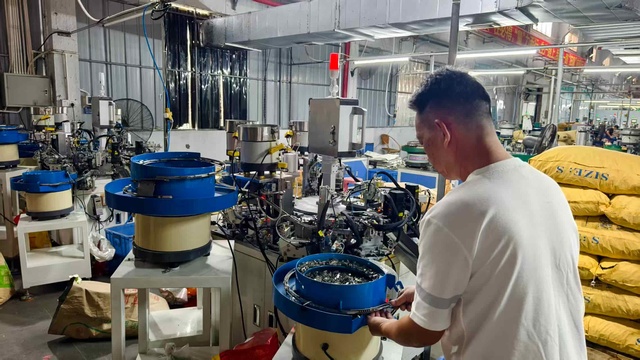
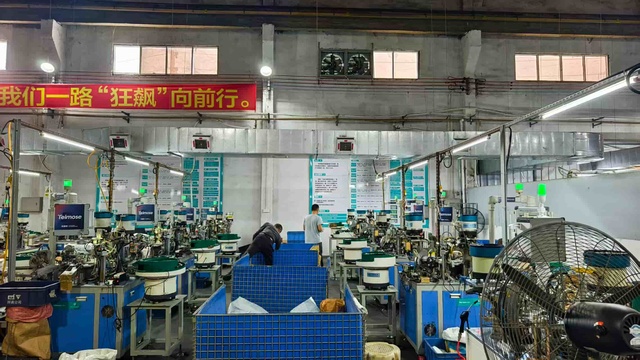
With strong manufacturing capabilities and advanced production equipment, Refa Tools focuses on delivering durable, precision-engineered hardware accessories used in cabinets, wardrobes, drawers, doors, beds, and office furniture systems. The company integrates product development, tooling design, stamping, die-casting, surface treatment, assembly, and quality inspection into a complete production workflow.
"Refa Tools provides customized OEM and ODM services, supporting clients with tailored hardware solutions for different furniture designs and market requirements. With flexible production capacity and efficient supply chain management, we handle both small-batch customization and large-scale export orders."
The company strictly follows international quality standards and implements rigorous inspection procedures at every stage of production, from raw material selection to final packaging. This ensures consistent performance and reliability across all product categories, making them a trusted global supplier delivering high-performance hardware solutions to customers worldwide.
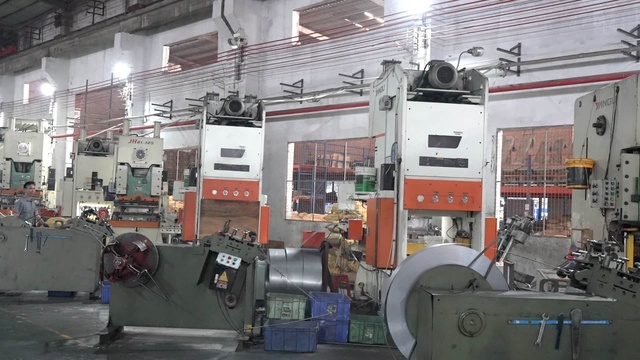
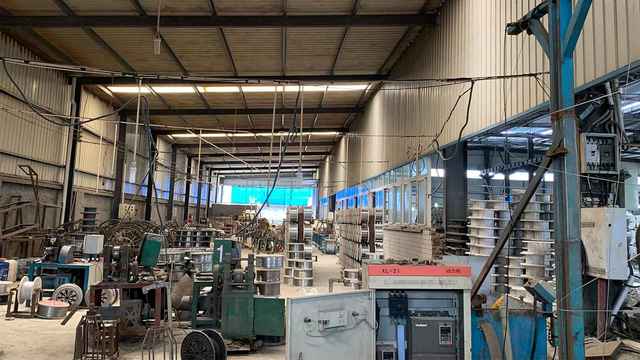
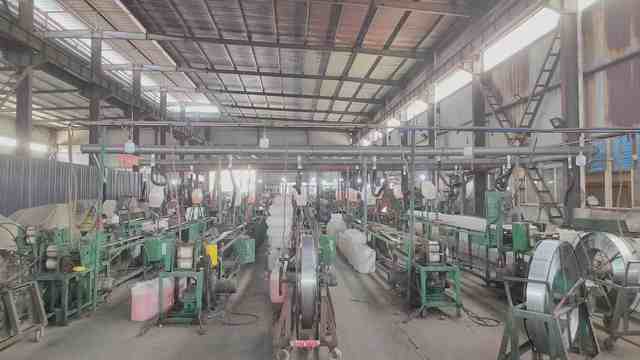
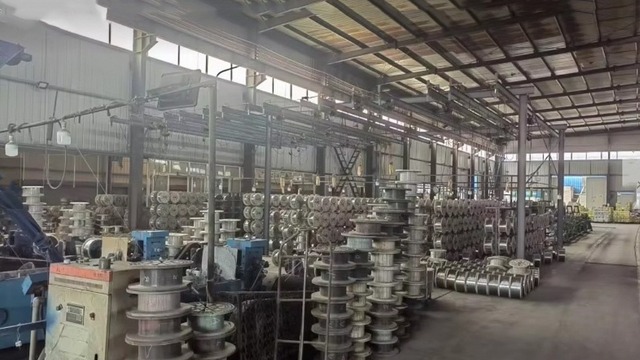
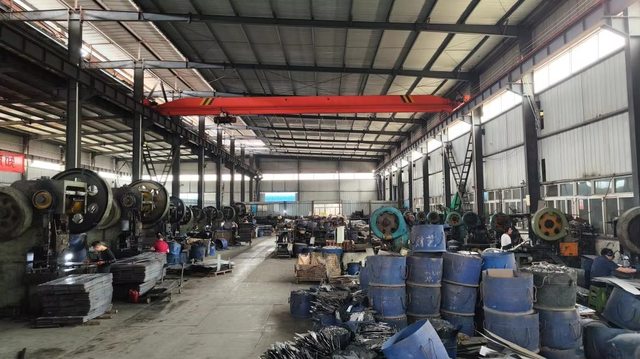
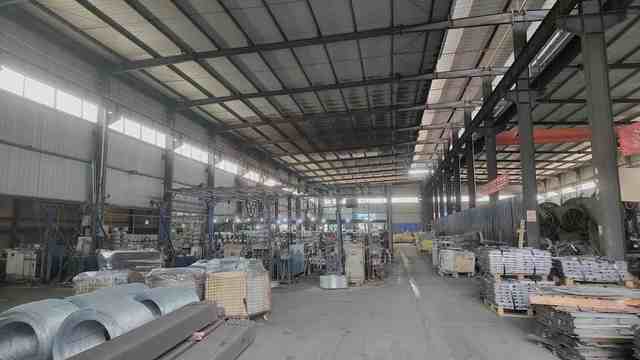
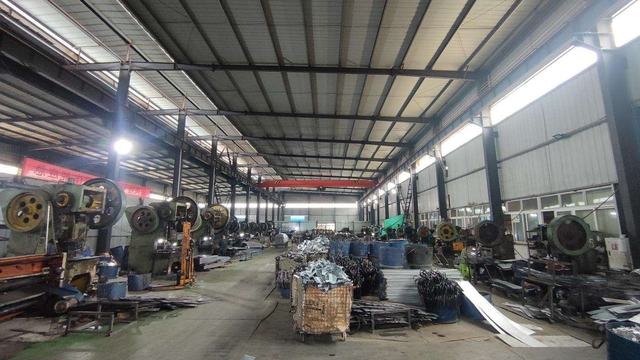
A look inside our advanced manufacturing processes, die-casting plants, and precision quality control facilities.
Inspection Qualification Rate
Standard Mechanical Cycles
Global Sourcing Countries
Average Salt Spray Resistance
Modern hardware manufacturing combines deep raw material access with automated assembly lines to keep production high and lead times short.
Foshan's hardware factories utilize cold-chamber and hot-chamber die casting machines connected to centralized smelting ovens. Stamping lines use progressive dies that form, punch, and shear components in one automated process, avoiding manual handling. This level of automation keeps part dimensions highly consistent and prevents variations between production runs.
Manufacturing in Foshan benefits from a highly integrated regional raw material ecosystem. Steel coils, zinc alloy ingots, chemical finishing solutions, and custom tooling mills are all located close by. This localized supply chain insulates global buyers from supply disruptions and helps factories adjust production schedules quickly when order volumes shift.
To withstand different environmental conditions, lock components undergo specialized surface treatments. Modern automated electroplating lines apply multilayer coatings of copper, nickel, and chrome. This process yields a high-gloss, scratch-resistant surface that passes standard 120-hour neutral salt-spray (NSS) tests, which is key for items used in high-humidity or marine applications.
From mechanical lock cylinders to IoT-connected smart access systems, the industrial locking landscape continues to evolve.
| Lock Generation | Key Technology & Core Mechanisms | Target Applications | Security & Audit Level |
|---|---|---|---|
| Mechanical Cam / Pin Tumbler | Zinc alloy cylinders, custom brass pins, master key systems, and reversible flat keys. | Basic office credenzas, mailboxes, and residential wardrobes. | Standard physical protection with mechanical key control. |
| Digital Combination & Dial | 3-wheel and 4-wheel mechanical mechanisms, keyless entry codes with override capabilities. | Shared office lockers, gym lockers, and school storage. | Medium security; eliminates physical key management issues. |
| RFID & Proximity Access | 13.56MHz High-Frequency Mifare chips, integrated solenoid actuators, and proximity sensors. | Corporate workspaces, medical supply cabinets, and research labs. | High security; compatible with employee access badges. |
| Biometric Smart Locks | Capacitive fingerprint sensors, low-power MCUs, and integrated mechanical overrides. | Executive storage, high-value retail displays, and gun safes. | Very high security; features biometric verification. |
| IoT Connected / BLE Cloud Systems | Bluetooth Low Energy (BLE), Wi-Fi gateways, real-time audit trails, and API-driven credentials. | Smart logistics hubs, pharmaceutical storage, and shared workplaces. | Enterprise level; real-time tracking and remote management. |
Industrial cabinet locks and structural hardware must be tailored to the specific regulations and physical demands of different professional environments.
In medical environments, compliance requires secure storage for pharmaceuticals and patient records. Cabinet locks in these areas must support audit logging and chemical-resistant finishes. Stainless steel materials and non-porous coatings ensure locks can withstand regular cleaning with harsh disinfectants without corroding or losing function.
Modern office layouts prioritize flexible hot-desking, which requires secure personal lockers. Traditional mechanical keys are increasingly replaced by smart combination locks or RFID cabinet locks. These systems reduce administrative overhead by allowing facilities teams to quickly reset lost combinations or reassign locker access remotely.
Data racks and outdoor telecom enclosures require heavy-duty swing-handle cabinet locks that seal against dust and water (typically rated to IP65 or IP66). These configurations are designed with three-point locking bars to secure tall metal doors and prevent tampering or exposure to harsh weather conditions.
For procurement officers, sourcing cabinet locks and furniture hardware directly from manufacturers requires looking beyond unit costs. Reliable quality and delivery schedules require a thorough assessment of the supplier's engineering processes.
A structured checklist ensures products match local regulatory standards and perform reliably over time.
Make sure to verify raw material source tracing (such as zinc ingots and steel grade certs). Request tooling life details—standard high-volume molds should yield 500,000 to 1,000,000 shots before needing maintenance. This reduces dimension drifting and prevents assembly issues during final installation.
Technical answers to common questions about cabinet locks, manufacturing standards, and ordering processes.
For high-traffic commercial or industrial settings, zinc alloy (such as Zamak 3) and stainless steel are recommended. Zinc alloy allows for precise casting of complex internal lock bodies, while stainless steel provides excellent shear resistance and corrosion protection, making it ideal for marine or medical use.
Factories run continuous cycle tests on pneumatic rigs to measure lifespan. Certified products must open and close smoothly for 50,000 to 100,000 cycles without mechanical failure. Salt spray testing (per ASTM B117 or ISO 9227) is also used to evaluate corrosion resistance over time.
Yes. Refa Tools provides full OEM and ODM services. The company handles the entire process, including initial 3D modeling, mold design, die casting, stamping, finishing, assembly, and quality testing, ensuring customized hardware matches specific design requirements.
Keyed-alike (KA) means multiple locks open with the same key. A Master Key (MK) system provides unique keys for each lock (Keyed Different) while allowing a master key to open all locks in the facility, which is ideal for office buildings and schools.
Standard product configurations are typically delivered in 25 to 35 days. For custom OEM designs requiring new mold fabrication, tooling development adds about 15 to 21 days, followed by standard mass production timeframes.
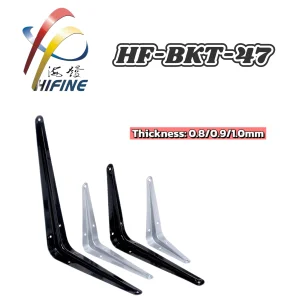
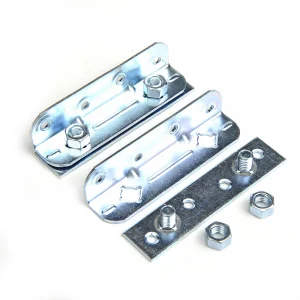
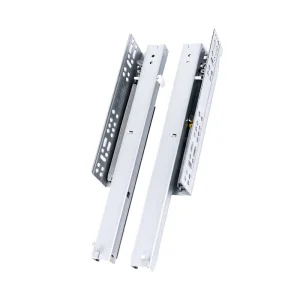
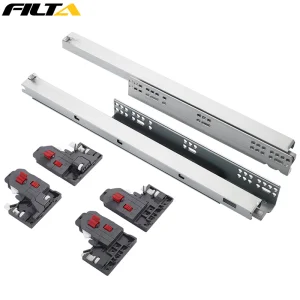
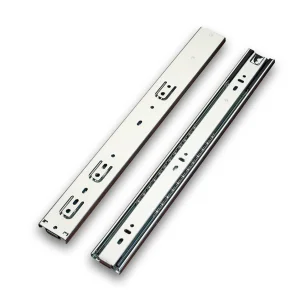
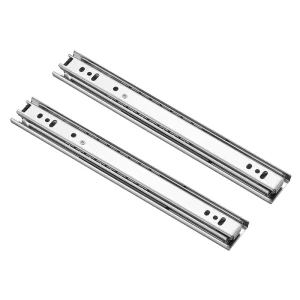
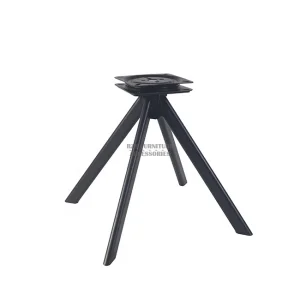
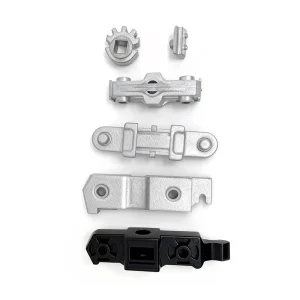
Explore our full line of functional hardware, including drawer runners, connectors, CNC-machined parts, and space management accessories.
 Refa Tools