Engineered Solutions for High-Load Cabinetry, Silent Drawer Kinematics, and Invisible Spatial Architecture
In modern structural design and spatial architecture, the performance of kinematic hardware—specifically hinges, joint connectors, and sliding mechanisms—serves as the primary indicator of functional reliability. From industrial machine enclosures to high-capacity residential cabinetry, these components operate at the intersection of material science and applied dynamics. They are expected to withstand cyclic shear stresses, resist chemical oxidation, and maintain silent, micro-tolerance motion profiles over operational lifetimes exceeding 100,000 duty cycles.
The manufacturing landscape for mechanical joints and hinges is undergoing a profound paradigm shift driven by digital integration, automated assembly, and high-performance alloys. Globally, leading factories are moving away from traditional carbon-steel hinges toward specialized composite and high-grade stainless steel options, such as SUS304 and SUS316. In parallel, there is an accelerating demand for damped soft-close mechanisms and smart structural joints. These components integrate mini-hydraulic shock absorbers, enabling controlled, silent deceleration profiles regardless of kinetic momentum.
Furthermore, spatial design has embraced invisible integration. Invisible connector fittings—such as the 2-in-1 joint system—allow for clean-room installations without exposed hardware surfaces. This aesthetic demand relies heavily on precision CNC machining and micro-casting technologies to guarantee that hidden joints maintain load integrity. This eliminates structural sagging under sustained vertical and horizontal stresses.
Utilizing high-tensile zinc alloys, passivated stainless steel, and POM (polyoxymethylene) polymer cores to achieve optimal stiffness-to-weight ratios and minimal friction coefficient.
Incorporating finite-element-optimized swing paths and linear fluid dampening cylinders to prevent impact wear and ensure smooth kinetic performance.
Deploying multi-cavity precision die-casting and progressive progressive die stamping to keep mechanical tolerances strictly under ±0.05mm.
For enterprise purchasing departments, hardware components are not just static items; they are structural safety elements. Procurement teams at multi-national furniture brands, industrial system builders, and commercial developers evaluate vendors based on strict risk-mitigation metrics. Key audit criteria include chemical certification (such as RoHS and REACH compliance) and standardized cycling certifications, like EN 15570 Level 3 or ANSI/BHMA Grade 1.
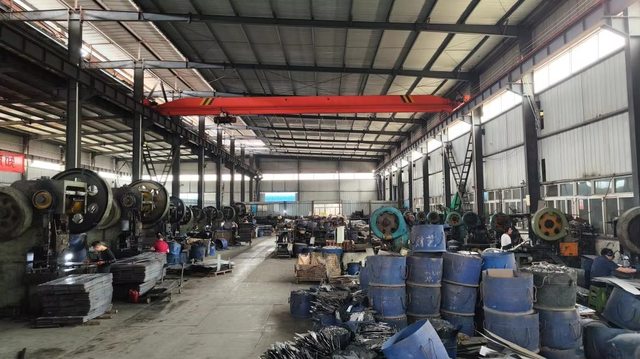
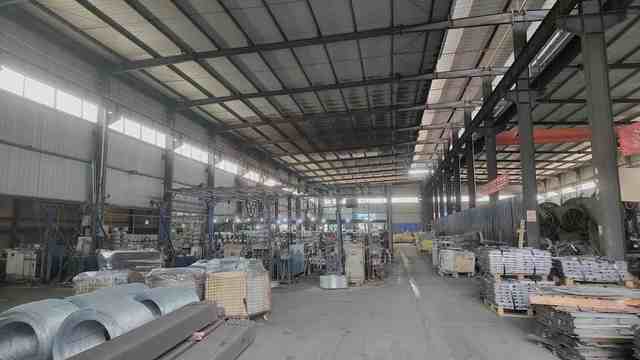
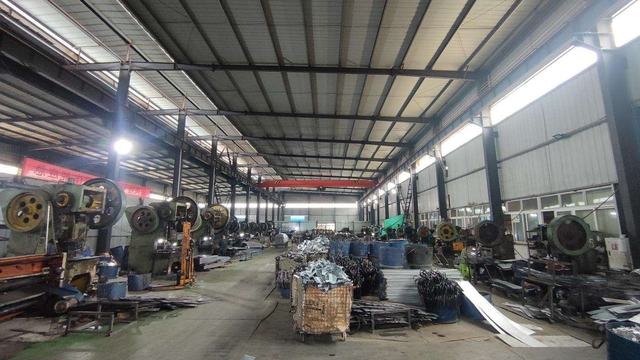
To control supply chain costs amidst volatile steel and zinc alloy market prices, leading procurement managers seek suppliers capable of vertical manufacturing integration. By housing tooling design, high-speed stamping, die-casting, chemical surface passivation, and automated packaging within a single facility, top manufacturers minimize logistical overhead, control quality variations, and offer consistent lead times.
Fatigue Cycles Tested
Dimensional Tolerance
REACH & RoHS Compliant
Salt Spray Tested (CASS)
Depending on the application environment, structural joints and runner systems must be engineered with specific features to meet diverse needs:
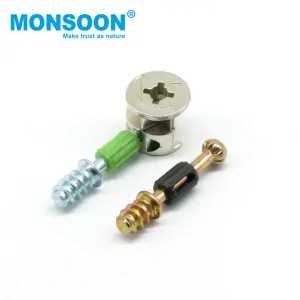
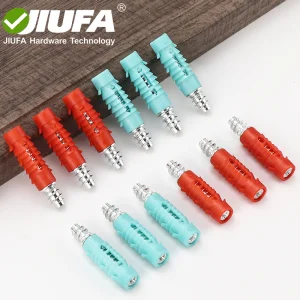
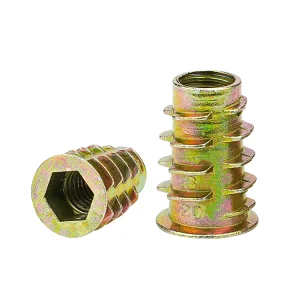
Residential Cabinetry & Wardrobes: Emphasizes space efficiency and high-end sensory feedback. Undermount drawer runners must operate silently and incorporate soft-close kinetics. Connectors like the eccentric cam lock and the JIUFA 2-in-1 invisible connector allow for seamless flat-pack assembly while maintaining structural rigidity.
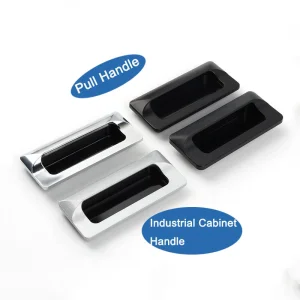
Industrial Enclosures & Control Stations: Focuses heavily on security, high-load capacities, and environmental resistance. Industrial hinges must withstand corrosive factory conditions and dust ingress, while robust handles like the Kete LS122 Stainless Steel pull handle provide durable grip interfaces for heavy enclosure panels.
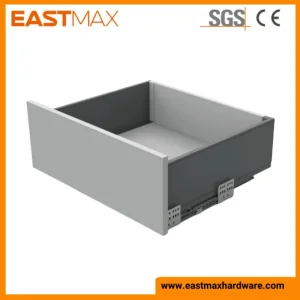
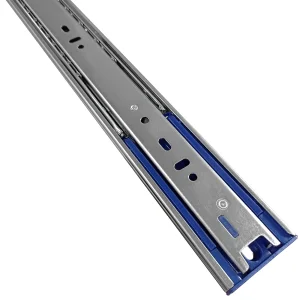
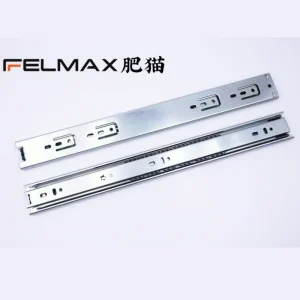
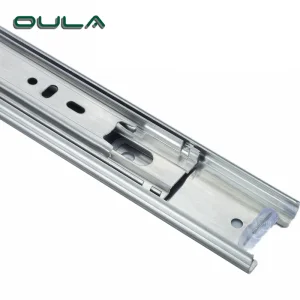
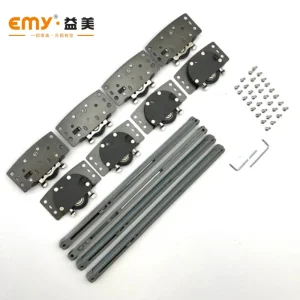
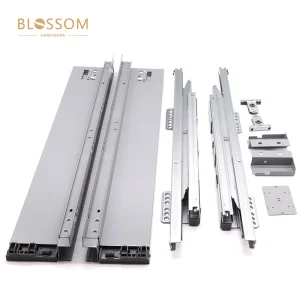
High-Capacity Commercial Drawers: Heavy-duty slide systems, with load capacities ranging from 21kg to over 30kg, use solid ball-bearing assemblies. These assemblies ensure smooth, lateral tracking and prevent channel distortion during full extension under loaded conditions.
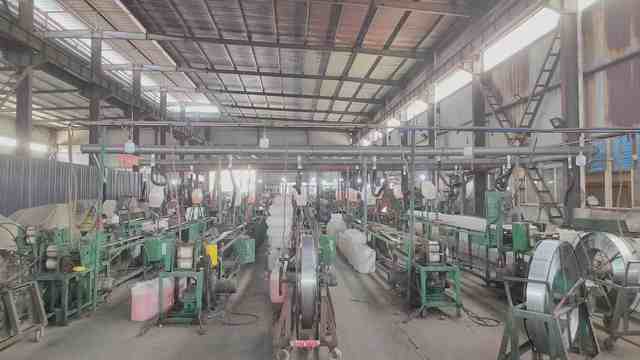
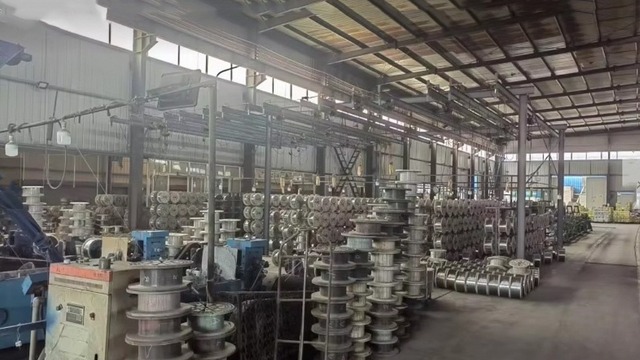
Based in Foshan, China—a premier global hub for metal fabrication and precision manufacturing—Foshan Refa Tools Co., Ltd. stands as a key supplier in the furniture hardware accessories industry. The company specializes in the design, tooling, production, and export of high-grade furniture hardware solutions. Their portfolio serves leading furniture brands, industrial distributors, and OEM/ODM clients worldwide.
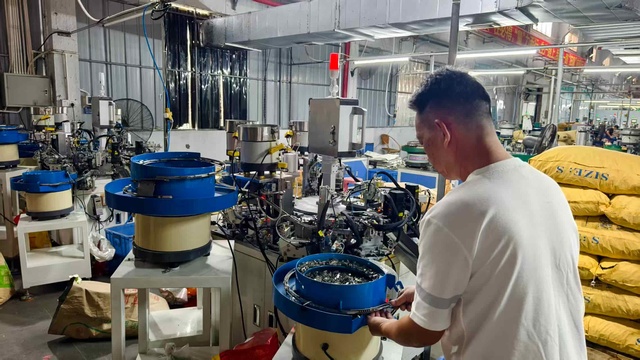
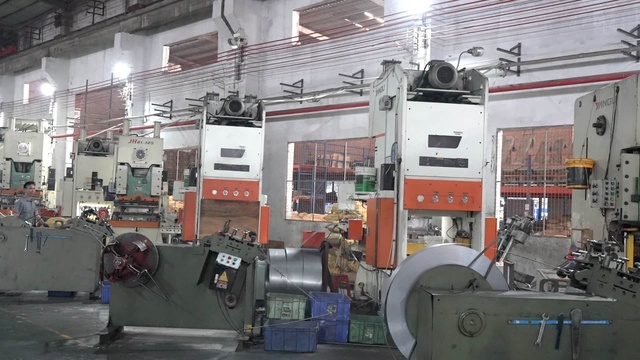
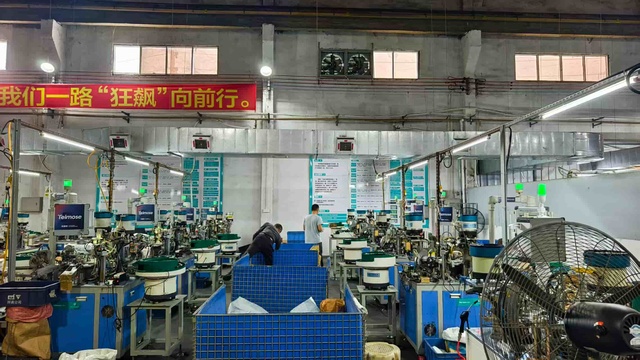
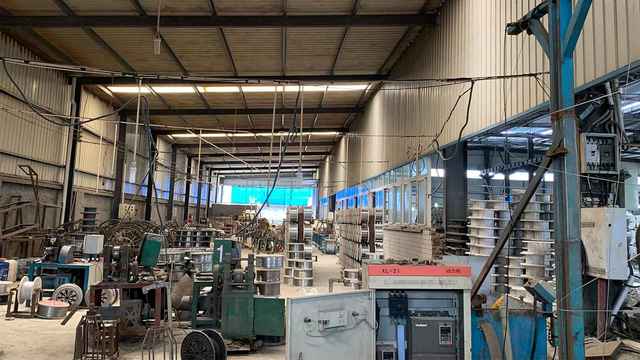
Refa Tools integrates all key manufacturing phases into a cohesive, quality-controlled workflow: from custom CAD/CAM mold development and high-precision stamping to alloy die-casting, electroplating, anodizing, and final assembly. This extensive production control ensures that every batch meets rigorous international standards. It also allows for flexible small-batch customization alongside large-scale production.
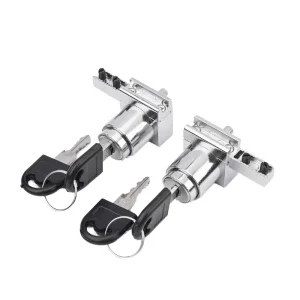
By focusing on material density, precise engineering tolerances, and thorough quality checks, Refa Tools provides the industry with stable, easy-to-install hardware solutions. Their product line includes heavy-duty sliding runners, invisible joints, cabinet fasteners, secure locks, and specialized industrial handles.
The next generation of hinges and joint systems will focus on material sustainability and functional integration. The key milestones of our technical development program include:
Load-bearing failures in drawer slides are typically caused by structural frame twisting, excessive ball-bearing wear, or raw material fatigue. When lateral forces exceed design tolerances, the channel rails can bend slightly. This uneven distribution of load causes individual steel bearings to wear down quickly, leading to rough movement. Our heavy-duty slides address this issue by using cold-rolled steel and reinforced ball cages, ensuring stable support even under maximum load.
High-humidity environments accelerate electrochemical corrosion. Untreated or poorly plated steel hardware reacts with moisture to form iron oxides (rust), which damages structural strength and stiffens mechanical movements. To prevent this, our products undergo advanced surface plating, such as multi-layer nickel-chromium electroplating or zinc-passivation. This process adds an oxide barrier, protecting the base metal and keeping it functional through salt spray testing.
Invisible 2-in-1 connectors are preferred for both aesthetic and structural reasons. Visually, they leave cabinet panels clean and free of visible screw heads, meeting the demand for modern, minimal designs. Mechanically, they fit tightly inside pre-drilled holes, distributing joint tension evenly across the core of the wood panel rather than putting stress on the surface layer. This prevents loose joints and warping over time.
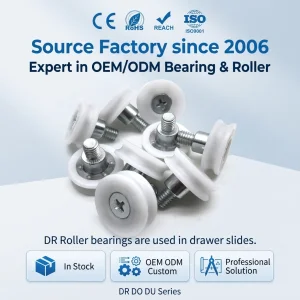
Polyoxymethylene (POM), or acetal plastic, offers excellent dimensional stability, high stiffness, low friction, and great wear resistance. When used for rollers, POM minimizes rolling resistance and dampens high-frequency vibrations. This provides quiet, smooth operation that outlasts standard plastics, which tend to flat-spot under constant pressure.
Consistency relies on keeping design and manufacturing under one roof. At Foshan Refa Tools Co., Ltd., we use advanced CNC machining for tooling molds, automated stamping press lines, and coordinate measuring machines (CMM) for checking dimensions. These technologies ensure that every part meets strict specifications, keeping production consistent from the first piece to the last.
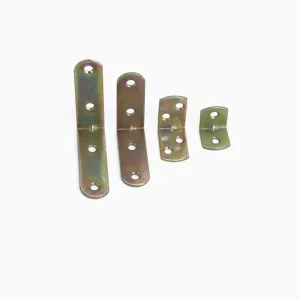
Heavy-Duty Fastening Systems, Modular Structural Support Brackets, and Enclosure Handles
 Refa Tools