Engineered to excel in demanding Japanese corporate environments. Featuring structural components optimized for Nagoya’s high-standard corporate offices.
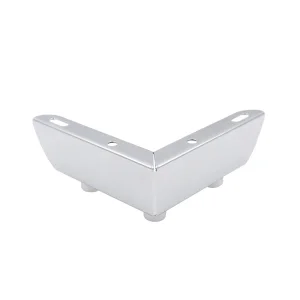
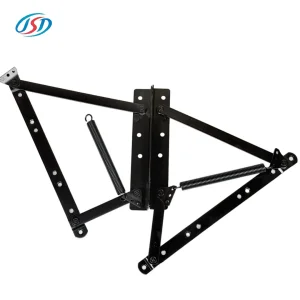
As Japan's premier manufacturing and industrial powerhouse, the Chubu (Nagoya) region demands commercial workspace configurations that are characterized by precision, durability, and technological integration. Home to global industrial leaders in automotive, aerospace, and machine tooling, local firms require high-performance furniture components that conform to rigorous Japanese Industrial Standards (JIS).
The contemporary Nagoya office environment is undergoing a rapid evolution. The traditional fixed layout has been replaced by dynamic, space-efficient, and highly modular layouts. The integration of technology in these spaces demands specialized cable management, dampening mechanisms, and structural connectors that can withstand structural loads and maintain mechanical integrity over long life cycles.
“Seismic safety, noise reduction, and structural adaptability are the critical pillars defining office procurement metrics in the Aichi prefecture.”
Our components are engineered using cold-rolled steel, high-tensile zinc alloys, and self-lubricating nylon configurations to guarantee flawless performance in modern corporate facilities throughout Nagoya, Toyotashi, and the wider Chubu economic zone.
The office hardware manufacturing landscape is moving from static mechanical connectors to modular, multi-axis, and dynamic structural components. Foshan Refa Tools Co., Ltd. is leading this shift by integrating advanced materials and processing techniques into our high-volume production lines. Our technical development framework is built on three key areas:
Transitioning from standard hot-rolled alloys to high-strength cold-rolled structural steel, coupled with high-density zinc die-casting. This achieves superior load ratings while reducing component weight and profiles.
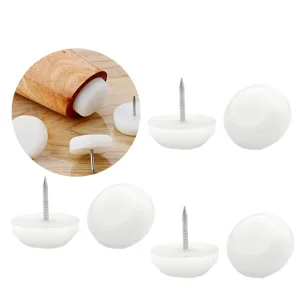
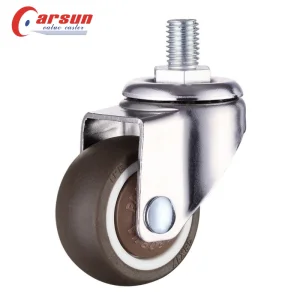
Developing self-lubricating nylon glides and Thermoplastic Elastomer (TPE) casters. These materials provide high load-bearing performance and silent movement on Japanese wooden and carpeted office flooring.
Multi-layer electroplating processes, including acid copper, semi-bright nickel, bright nickel, and micro-porous chrome finishes, yield a salt-spray resistance exceeding 48 hours to prevent corrosion in humid coastal regions like Nagoya.
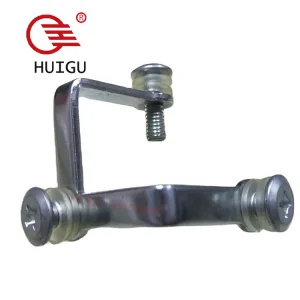
In response to urban space constraints in Nagoya’s central business districts, workspace planners are adopting multi-functional furniture systems. Foshan Refa Tools Co., Ltd. supplies hardware solutions that turn static office systems into dynamic, multipurpose workspaces. Our mechanical connectors, rotating mechanisms, and heavy-duty brackets allow tables to swing, fold, and connect cleanly. This flexibility helps facilities managers configure their spaces on demand for training sessions, team meetings, or individual desk setups.
We work directly with major Japanese office furniture manufacturers to refine sub-assembly designs. By reducing part counts and optimizing mounting plates, we help factories speed up assembly times and lower production costs. Additionally, our wire management channels and joint brackets integrate directly into standard desk designs, keeping cords out of sight and maintaining clean workspaces.
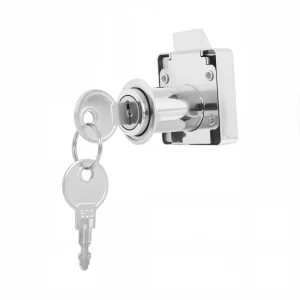
Products shipped to the Japanese market must meet strict local safety and building regulations. Because Japan is located in an active seismic zone, architectural furniture hardware must do more than just function under normal conditions; it must remain secure and prevent damage during earthquakes. Our drawer slides, modular connectors, and locks feature anti-slip mechanisms and positive-locking designs to prevent drawers and cabinets from opening unexpectedly during seismic activity.
Foshan Refa Tools Co., Ltd. ensures all materials meet international environmental standards, including RoHS, REACH, and Japanese Green Procurement guidelines. Our hardware components are free from lead, mercury, and other hazardous chemicals, supporting eco-friendly workplace construction and healthy indoor office environments.
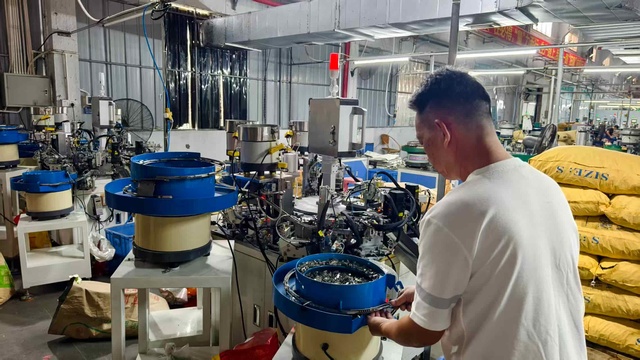
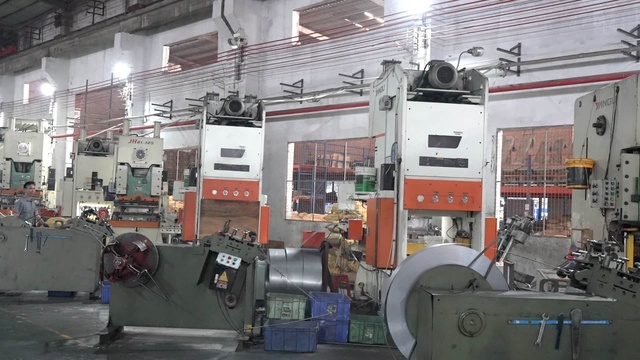
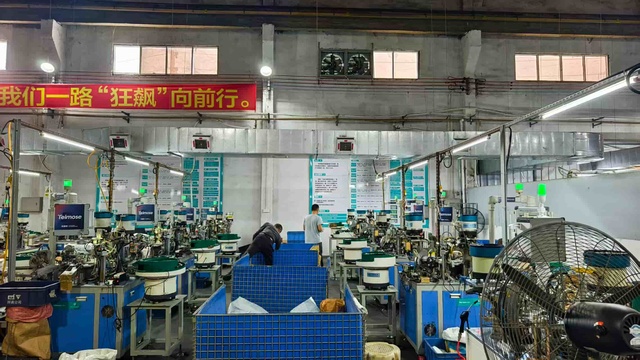
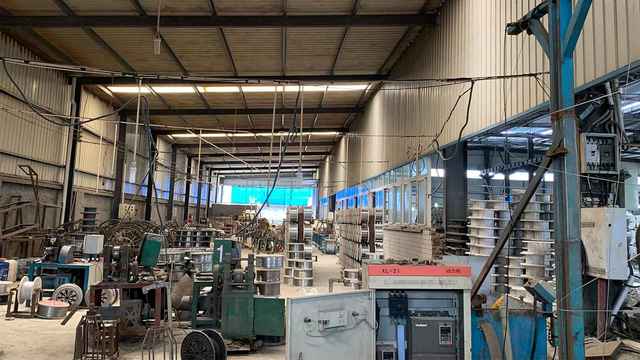
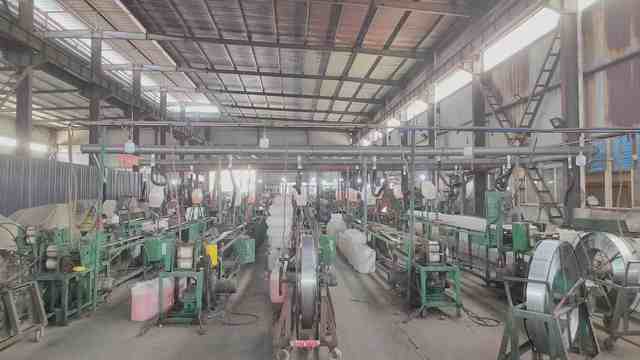
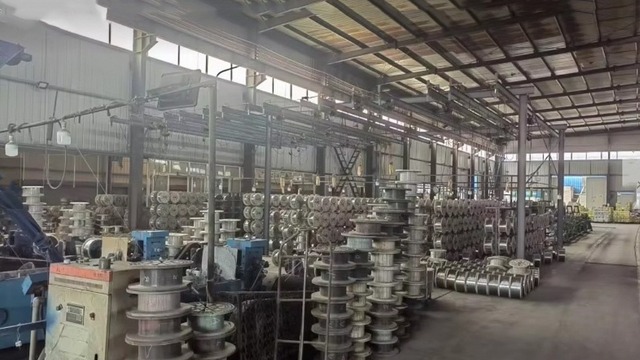
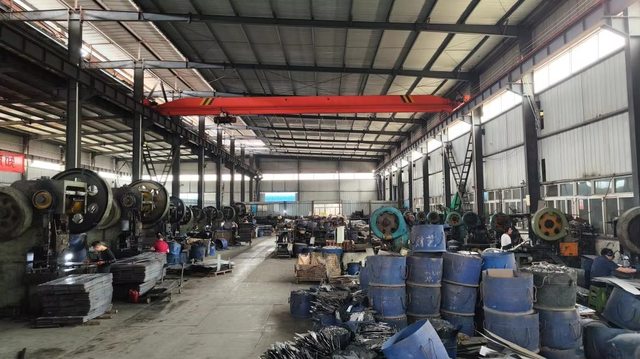
Request Technical DatasheetsOperating out of Foshan, the largest hardware and furniture manufacturing hub in China, Foshan Refa Tools Co., Ltd. runs an integrated, vertically organized production facility. This structure allows us to handle every stage of manufacturing—from raw material testing and tooling design to automatic metal stamping, die casting, powder coating, and final assembly—entirely under one roof. This internal workflow helps keep production costs predictable and protects global buyers from supply chain delays.
By using automated manufacturing equipment and real-time quality control, we maintain consistent production standards across large volumes. For Nagoya’s B2B distributors and office furniture brands, this means fast turnaround times, adaptable tooling capabilities, and stable shipping schedules from China directly to Japanese industrial ports.
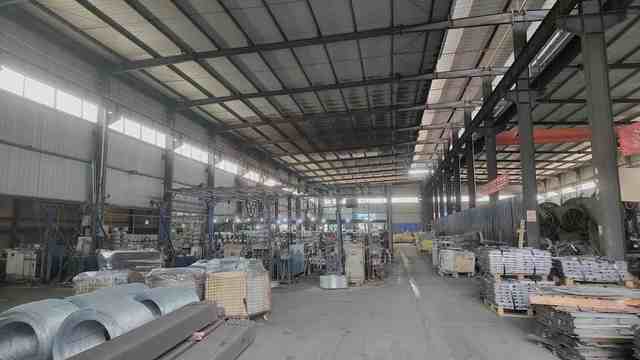
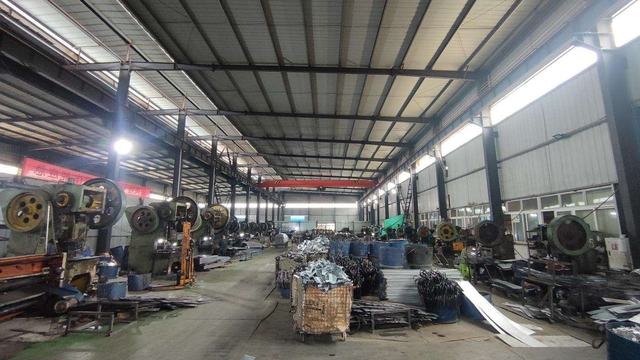
Direct shipping lanes from Foshan/Guangzhou ports to Nagoya Port ensure fast, cost-effective shipping for bulk shipments.
Select from our range of structural components, connectors, and decorative elements engineered to support Nagoya's workspaces.
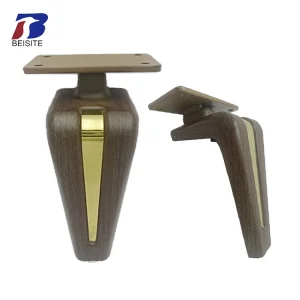
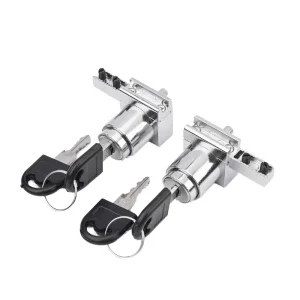
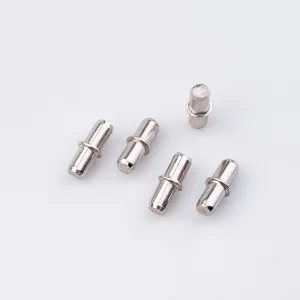
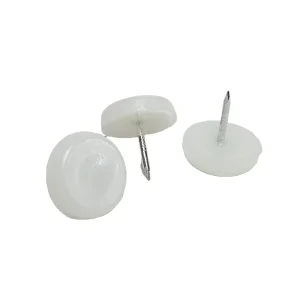
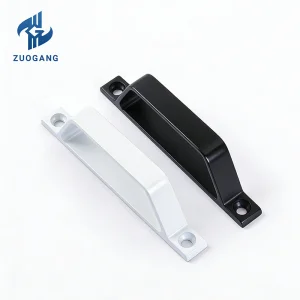
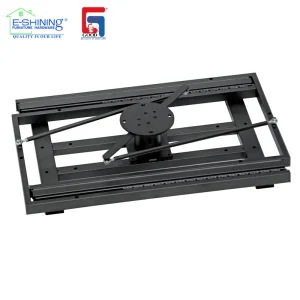
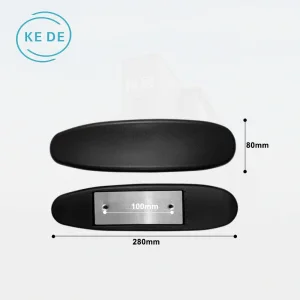
Optimize ergonomic installations with under-desk hardware and high-strength mounting systems designed for commercial projects.
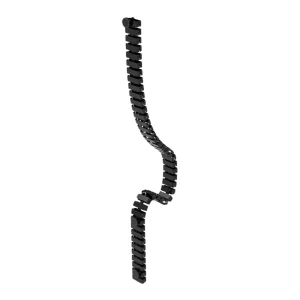
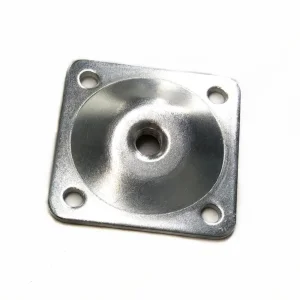
For Japanese furniture brands, design studios, and commercial project importers in Nagoya, establishing a direct factory partnership in China is key to lowering production costs and improving supply chain stability. Selecting a manufacturer with integrated production lines rather than working through third-party agents offers significant benefits: transparent metal pricing, direct engineering communication, and custom tooling modifications (OEM/ODM) to meet specific project needs.
When sourcing furniture hardware from China, buyers should evaluate key performance metrics beyond unit costs, including: metallurgical test reports (e.g., tensile strength tests), electroplating thickness measurements, and cycle testing data (e.g., 50,000 extension cycles for drawer slides). Proactive quality control at the factory level prevents costly delays and returns, ensuring imported shipments arrive ready for installation and meet Japanese market standards.
Detailed technical answers for procurement directors, product designers, and structural engineers targeting the Japanese furniture sector.
Yes, our premium-grade hardware accessories are engineered to meet the requirements of JIS S 1010 (Office Furniture - Desks and Tables) and JIS S 1021 (Office Furniture - Storage Cabinets). We utilize cold-rolled steel (SPCC) and high-strength zinc alloy die-cast components that undergo structural load capacity and fatigue tests to comply with Japanese commercial durability requirements.
Our office chair caster wheels utilize high-grade Thermoplastic Elastomers (TPE) and Polyurethane (PU). TPE material combines the performance of rubber with the durability of engineering plastics, offering floor protection, silent operation, and preventing dark tracking marks on hardwood and carpeted floors typical of Nagoya executive suites.
We feature a dedicated CAD/CAM design department and an in-house tooling manufacturing shop. This allows us to modify existing configurations (e.g., custom plate profiles, unique screw hole pitches, specific surface colors) or build entirely custom tooling. Our engineers work directly with your design files (STEP, DWG) to verify dimensions before production.
Standard production lead time is 25 to 35 days depending on the component type and order volume. For logistics, cargo is dispatched from our Foshan facility to Guangzhou or Shenzhen Port, where direct vessels arrive at the Port of Nagoya (Meiko) within 7 to 10 shipping days, providing a fast transit cycle from factory floor to Japanese warehouse.
All nickel-plated and chrome-plated accessories (such as shelf pins and brackets) undergo neutral salt spray testing (NSS) in accordance with ISO 9227 standards. Depending on customer requirements, we supply surface treatments that withstand 24, 48, or even 72 hours of exposure, preventing oxidation under humid conditions in central Japan.
Yes. We implement a rigorous supply chain control program where raw steel alloy, zinc, and plastics (such as nylon and TPE) are accompanied by SGS test certificates. The final products are fully compliant with RoHS and REACH regulations, eliminating hazardous substances to facilitate smooth customs clearance and meet Japanese environmental standards.
 Refa Tools